
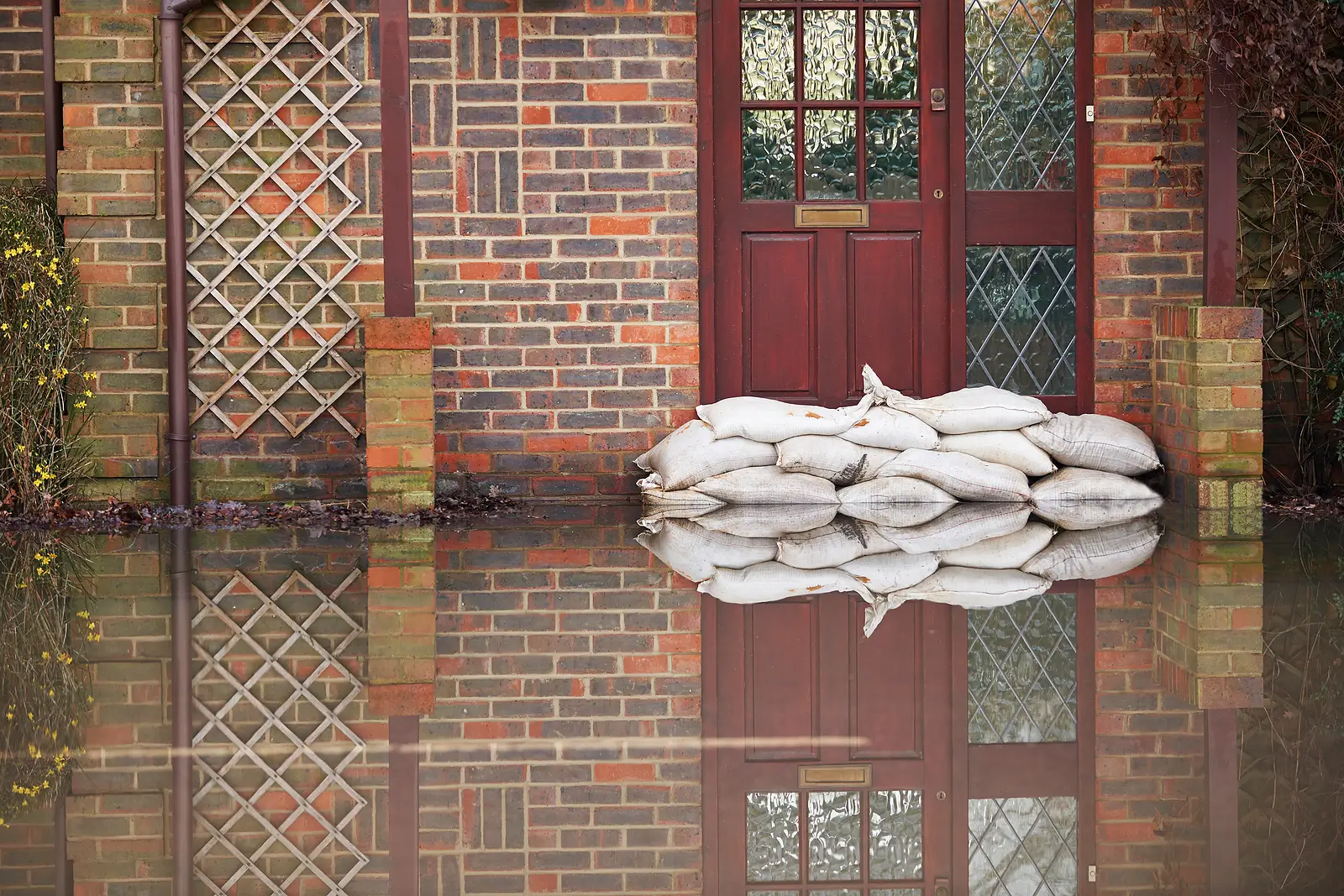
Floods don't knock before entering. One heavy Texas downpour can turn a quiet street into a shallow river, and for landlords, that reality now comes with clear legal responsibilities. In Fort Worth, flood disclosures are no longer optional fine print. They're a required part of leasing done right.
Texas lawmakers stepped in to protect tenants from unpleasant surprises and promote transparency in the rental housing industry. For landlords and real estate investors, understanding these rules isn't just about compliance; it's about protecting your property, your income, and your reputation.
Let's break down what Fort Worth landlords actually need to disclose, why it matters, and how to stay on the right side of the law without overcomplicating your rental business.
Key Takeaways
- Texas law requires a separate written flood disclosure to be provided at or before the time of lease signing.
- Disclosures focus on floodplain awareness and flooding within the last five years, rather than every imaginable disaster.
- Noncompliance can allow tenants to terminate the lease after qualifying flood damage.
- Transparency reduces disputes and builds stronger tenant trust.
- Professional property management can handle disclosures correctly and consistently.
The Law That Changed the Conversation for Texas Landlords
The relevant rule for Fort Worth landlords is Texas Property Code § 92.0135. This statute applies to most residential leases entered into or renewed on or after January 1, 2022.
Under this law, landlords must provide tenants with a separate written notice not buried in the lease covering two specific disclosures:
- Whether the landlord is aware that the dwelling is located in a 100-year floodplain, as indicated by FEMA flood maps.
- Whether the landlord is aware that the dwelling has experienced flooding damage at least once in the five years immediately before the lease begins.
This notice must be delivered at or before the lease is signed. Handing it over after move-in does not satisfy the statute.
What the Flood Disclosure Is and What It Is Not
One common misunderstanding is that landlords must disclose every flood or disaster that has ever touched the property. That's not what the law says.
The required disclosure is limited and specific:
- It focuses on flooding, not fires, hailstorms, tornadoes, or other disasters unless they caused flooding damage.
- It applies to flooding that occurred within the last five years, based on the landlord's knowledge.
- It requires awareness of floodplain locations, not a guarantee that flooding will or won't happen.
That said, landlords can always go beyond the minimum legal requirement. Additional transparency can be a smart business move, but it's essential to understand what's legally mandated versus what's simply best practice.
Why the Law Exists (and Why It's Not Anti-Landlord)
Flood disclosures weren't designed to punish property owners. They exist because tenants were repeatedly caught off guard, sometimes literally ankle-deep in water after moving into homes with known flood risks.
From a landlord's perspective, this law actually offers protection:
- It sets clear boundaries for disclosure.
- It reduces "you never told me" disputes.
- It creates a paper trail that supports the landlord if problems arise later.
In other words, when disclosures are done correctly, they work in everyone's favor.
Tenant Rights and Landlord Risks Under § 92.0135
If a landlord fails to provide the required flood disclosure and the tenant later suffers substantial property damage due to flooding, the tenant may have the right to terminate the lease.
"Substantial" has a specific meaning under the statute:
It refers to flood damage to the tenant's personal property equal to at least 50% of its market value.
Timing matters too. The tenant must generally terminate the lease within 30 days after the flood damage occurs.
For landlords, the takeaway is simple: skipping or mishandling disclosures can expose you to lost rental income, early move-outs, and legal conflict.
Floodplain Properties: Still Rentable, Still Profitable
Being in a 100-year floodplain doesn't automatically make a Fort Worth rental undesirable or unprofitable. Many properties in North Texas fall within FEMA flood zones and continue to perform well as investments.
What matters is honest communication:
- Tenants can weigh risk versus rent.
- Investors can factor flood exposure into pricing and insurance decisions.
- Everyone enters the lease with clear expectations.
In fact, properties with transparent disclosures often attract more qualified tenants, people who value professionalism and clarity.
Flood Insurance: Not Required to Disclose, Still Important
Texas law does not require landlords to state whether flood insurance is mandatory for the property. However, the statutory notice includes an essential warning for tenants: most renters' insurance policies do not cover flood damage.
From a practical standpoint, landlords should understand how flood insurance affects:
- Property protection
- Investment risk
- Long-term operating costs
While flood insurance discussions fall more under the category of "smart ownership" than legal compliance, they're an essential part of responsible property management.
Common Mistakes Fort Worth Landlords Make
Even well-meaning landlords slip up. The most frequent issues include:
- Using outdated lease templates without a separate flood notice
- Assuming "no floods during my ownership" means no disclosure is needed
- Forgetting to provide the notice before lease execution
- Failing to document the delivery of the disclosure
These mistakes are avoidable, and they're exactly why many investors turn to professional property management.
FAQs: Flood Disclosure Questions Fort Worth Landlords Ask Most
Q: Do I have to investigate flood history before renting?
The statute focuses on what the landlord knows. While it doesn't explicitly require deep historical investigation, due diligence is strongly recommended.
Q: Does minor water damage count as flooding?
Flooding generally refers to water intrusion from natural rising waters, not isolated plumbing issues.
Q: Is the disclosure required for renewals?
Yes. Renewed leases entered into after January 1, 2022, require the disclosure if the landlord has the relevant knowledge.
Q: What if my property isn't in a floodplain and hasn't flooded?
You must still provide a disclosure stating that you are not aware of those conditions.
Q: Can a property manager provide this notice for me?
Yes. Many landlords rely on professional property managers to ensure disclosures are accurate, timely, and adequately documented.
Compliance Without Complication: A Smarter Way Forward
Flood disclosure laws are now a requirement for owning rental property in Fort Worth. While they add another step to the leasing process, they also reinforce professionalism, transparency, and long-term stability.
Managing disclosures correctly alongside tenant screening, lease compliance, maintenance coordination, and risk management can quickly become overwhelming, especially for investors with growing portfolios. That's where experienced local property management makes a real difference.
At 1st Choice Property Management, we help Fort Worth landlords navigate regulatory requirements with confidence while protecting the performance of their investments. From compliant leasing to full-service management, our goal is straightforward: fewer headaches, more substantial returns, and rentals run smoothly.
If you're ready to make compliance easier and ownership more rewarding, explore our services or schedule a free consultation to see how we can support your rental goals.