
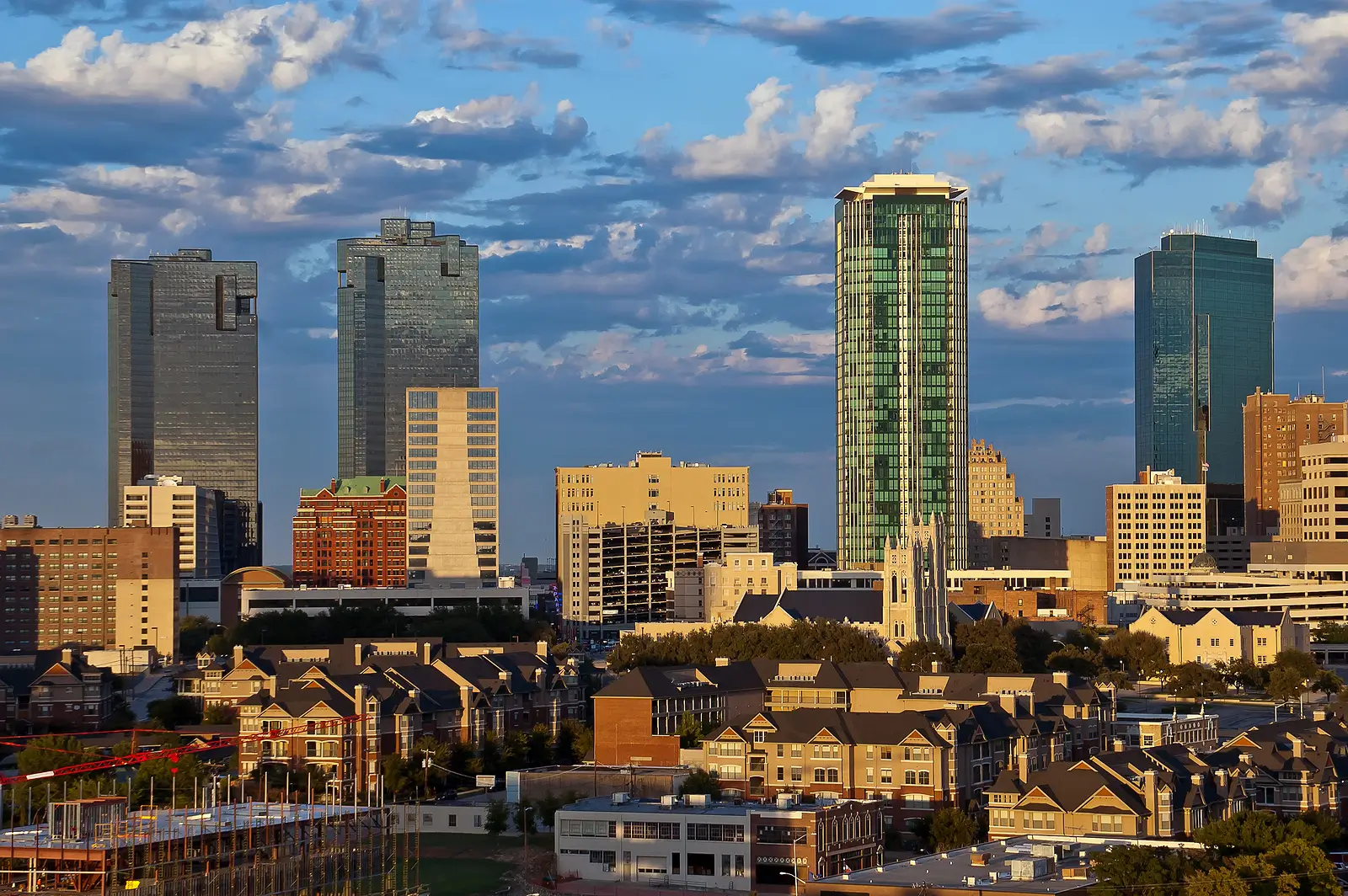
The Fort Worth rental market has been moving at a steady pace over the last few years, but not every neighborhood is performing the same way. Some areas are seeing rental homes filled within days, while others are taking longer to attract qualified tenants. For landlords and real estate investors, knowing where demand is strongest can make a major difference in rental income, vacancy rates, and long-term returns.
At the same time, renters are becoming more selective. They are looking for neighborhoods that offer convenience, safety, good schools, entertainment, and easy access to work centers. As Fort Worth continues to grow, certain communities are standing out as some of the city’s fastest-moving rental markets.
Whether you are considering buying an investment property, relocating to the area, or trying to improve your leasing strategy, understanding today’s rental hot spots can help you make smarter decisions.
Key Takeaways
- Several Fort Worth neighborhoods are experiencing strong rental demand due to population growth and job expansion.
- Areas with access to major highways, schools, and entertainment tend to lease faster.
- Rising competition means landlords must price and market properties correctly to reduce vacancies.
- Investors can benefit from targeting neighborhoods with strong tenant retention and long-term appreciation potential.
- Professional property management can help landlords stay competitive in Fort Worth’s fast-moving rental market.
Why Certain Fort Worth Neighborhoods Are Leasing Faster Than Others
Not all rental markets operate equally, even within the same city. Fast-leasing neighborhoods usually share a few important characteristics that attract both tenants and investors.
One major factor is location. Areas near employment centers, major highways, shopping districts, and schools often see higher demand because renters value convenience. Fort Worth’s continued economic growth has also increased housing demand near expanding business corridors.
Another factor is lifestyle appeal. Neighborhoods with walkable areas, restaurants, parks, and entertainment options tend to attract younger professionals and families looking for more than just a place to live.
Housing inventory also matters. In neighborhoods where available rentals are limited, homes often lease quickly because renters have fewer options. Landlords in these areas may experience shorter vacancy periods and stronger rental pricing power.
Still, fast leasing does not automatically mean easy property ownership. Competitive markets can also lead to higher purchase prices, increased maintenance expectations, and greater competition among landlords.
TCU and University District: Consistent Demand from Students and Professionals
The neighborhoods surrounding Texas Christian University remain among the strongest rental markets in Fort Worth. The steady flow of students, faculty, and university staff creates year-round demand for rental housing.
Beyond the student population, the area has become increasingly attractive to young professionals because of its dining options, local businesses, and central location.
Properties near TCU often lease quickly because renters want proximity to campus and nearby entertainment districts. Single-family homes converted into rentals, duplexes, and smaller apartment units perform particularly well here.
However, landlords should also understand the challenges of investing in university-driven markets. Tenant turnover can be higher, especially with student renters. Property wear and tear may also be higher than in traditional family rentals.
For investors who manage these properties effectively, though, the demand can create strong occupancy rates and stable cash flow.
Alliance Area: One of Fort Worth’s Fastest-Growing Rental Corridors
The Alliance corridor in North Fort Worth continues to attract renters at an impressive pace. This area has seen major growth thanks to corporate expansion, retail development, and new residential communities.
Large employers and logistics companies in the AllianceTexas development have brought thousands of jobs to the region. As a result, many workers are searching for nearby rental housing to shorten their commute times.
Families are also drawn to the area for newer homes, community amenities, and access to schools. Rental properties in Alliance often appeal to long-term tenants seeking suburban comfort and modern conveniences.
Investors appreciate the area’s growth potential, but competition has increased as more landlords enter the market. Pricing properties correctly is critical because renters are comparing multiple new developments at once.
Landlords who maintain up-to-date interiors, communicate responsively, and offer competitive amenities typically lease properties faster than those who rely solely on location.
Near Southside: Urban Living Continues to Attract Renters
Near Southside has become one of Fort Worth’s most talked-about urban neighborhoods. Known for its mix of historic charm, nightlife, restaurants, and access to the medical district, the area attracts a wide range of renters.
Young professionals, healthcare workers, and remote employees often prefer the Near Southside for its walkability and vibrant atmosphere. Apartments and renovated historic homes tend to move quickly, especially when they offer updated finishes and modern conveniences.
This neighborhood has also benefited from continued redevelopment and infrastructure improvements, which have increased property values and rental demand.
Still, investing in urban neighborhoods comes with considerations. Property prices may be higher, and older homes can require additional maintenance. Parking limitations and increased competition among rentals may also affect leasing strategies.
Owners who understand the expectations of urban renters are generally better positioned for success in this market.
Arlington Heights: A Stable Choice for Families and Long-Term Tenants
Arlington Heights remains one of Fort Worth’s more stable rental neighborhoods, particularly for families seeking established communities and access to schools.
The neighborhood’s character, mature trees, and proximity to downtown Fort Worth continue to attract renters who want a quieter residential feel without being too far from city conveniences.
Single-family rentals perform especially well in this area. Many tenants are looking for larger living spaces, outdoor areas, and long-term rental stability.
One advantage for landlords is tenant retention. Families who move into Arlington Heights often stay longer than renters in more transient areas, helping reduce turnover costs and vacancy periods.
However, because many homes in the area are older, maintenance planning becomes especially important. Investors should budget for upgrades and preventative repairs to stay competitive with newer rental inventory across the city.
Keller and North Fort Worth: Strong Appeal for Commuters
Keller and nearby North Fort Worth neighborhoods continue to attract renters who want suburban living with access to major employment centers.
These areas are popular among professionals and families looking for larger homes, highly rated schools, and community-focused neighborhoods. Easy access to highways allows residents to commute throughout the Dallas-Fort Worth metroplex while maintaining a quieter lifestyle.
Rental demand in these communities often remains steady because many households are relocating from more expensive areas within DFW. Compared to some Dallas suburbs, renters may find better value in North Fort Worth while still enjoying strong amenities.
The challenge for landlords is that tenants in these areas usually expect well-maintained homes and responsive service. Deferred maintenance or outdated interiors can quickly reduce leasing activity.
Properties with upgraded kitchens, energy-efficient features, and attractive outdoor spaces often stand out in this competitive segment of the market.
What Today’s Renters Are Looking for in Fort Worth
The features renters prioritize have shifted in recent years, and landlords who understand these trends can lease properties faster.
Today’s tenants commonly look for:
- Flexible living spaces for remote work
- Updated appliances and finishes
- Smart home technology
- Pet-friendly policies
- Access to parks and outdoor recreation
- Reliable property management communication
- Convenient parking and storage
Affordability also remains a major concern. Even in high-demand neighborhoods, renters are carefully evaluating whether a property offers enough value for the monthly rent.
Landlords who balance competitive pricing with quality maintenance and strong customer service are more likely to attract qualified tenants quickly.
The Risks of Chasing “Hot” Rental Markets
While fast-leasing neighborhoods can create exciting opportunities, investors should avoid focusing only on short-term demand trends.
A neighborhood experiencing rapid growth today may also come with higher purchase costs, increased property taxes, or oversupply risks in the future. Some investors overpay for properties expecting continued rent increases, only to face changing market conditions later.
It is also important to evaluate:
- Long-term population growth
- Employment stability
- School performance
- Infrastructure development
- Crime trends
- Future housing supply
Strong investment decisions require more than simply following current leasing trends. Careful market analysis and professional guidance can help reduce risk while improving long-term profitability.
FAQs About Fort Worth Rental Neighborhoods
Which Fort Worth neighborhoods have the highest rental demand right now?
Areas like Alliance, Near Southside, TCU, Keller, and Arlington Heights continue to show strong rental activity due to job growth, schools, entertainment access, and lifestyle appeal.
How quickly do rental homes lease in Fort Worth?
Leasing timelines vary by neighborhood, pricing, and property condition. In high-demand areas, well-priced homes can lease within days or a few weeks.
Is Fort Worth a good city for real estate investors?
Fort Worth remains attractive for investors because of population growth, economic expansion, and continued housing demand. However, success depends on choosing the right neighborhood and managing properties effectively.
What type of rental properties perform best in Fort Worth?
Single-family homes are especially popular among families and long-term renters, while apartments and smaller homes often perform well in urban and university-adjacent neighborhoods.
Should landlords hire a property management company in Fort Worth?
Professional property management can help landlords reduce vacancies, screen tenants, handle maintenance, and stay compliant with local regulations. This can be especially valuable in competitive rental markets.
Position Your Rental Property for Long-Term Success
Fort Worth’s rental market continues to evolve, and some neighborhoods are clearly outperforming others in leasing speed and tenant demand. Still, success in this market requires more than simply owning property in a popular area. Landlords and investors must understand pricing trends, tenant expectations, maintenance standards, and local market shifts to stay competitive.
Whether you own one rental home or are growing a larger investment portfolio, working with an experienced local team can make the process far more efficient and profitable. 1st Choice Property Management helps landlords navigate Fort Worth’s changing rental landscape with professional leasing, tenant placement, property management, and investment support services designed to protect your property and maximize returns.
To learn more about how to improve your rental performance or explore investment opportunities in Fort Worth, visit 1st Choice Property Management’s website and connect with our team for expert guidance tailored to your goals.